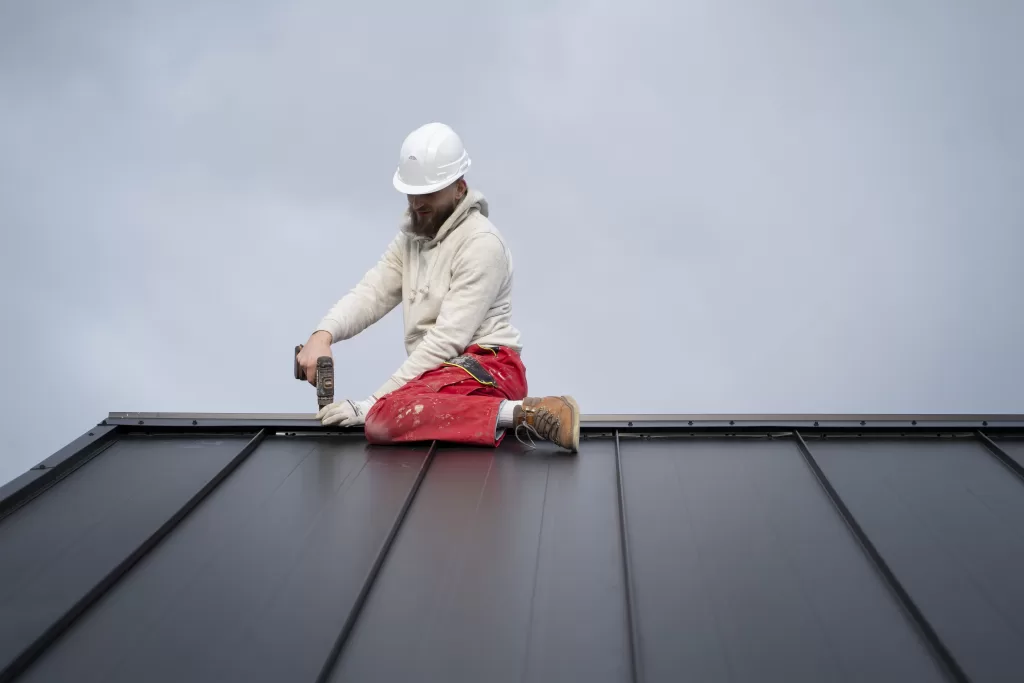
Roof waterproofing is a crucial aspect of building maintenance that is often overlooked. A properly waterproofed roof is essential for protecting the interior of a building from water damage caused by leaks and seepage. Without proper waterproofing, water can infiltrate the structure of a building, leading to costly repairs and potential health hazards such as mold and mildew.
There are various methods and materials used for roof waterproofing, each with its own benefits and drawbacks. Understanding the different options available for roof waterproofing is important for ensuring the longevity and integrity of your building. In this article, we will explore the importance of roof waterproofing, the different methods and materials used, and the best practices for ensuring a watertight roof.

The Importance of Roof Waterproofing
Roof waterproofing plays a vital role in protecting buildings from water damage. Without proper waterproofing, water can seep through the roof, causing structural deterioration and compromising the integrity of the entire building. By investing in Roof Waterproofing, property owners can prevent costly repairs associated with water damage and safeguard the health of occupants by preventing mold growth.
Methods and Materials for Roof Waterproofing
There are several methods and materials available for roof waterproofing, each with its unique benefits and considerations. Some popular options include bituminous membranes, liquid roofing systems, and EPDM rubber roofs. It is crucial to select the most suitable method based on factors such as climate, building structure, and budget. Proper installation and maintenance of the chosen waterproofing system are key to ensuring a durable and watertight roof that can withstand the elements for years to come.
In conclusion, roof waterproofing is a crucial investment that should not be overlooked when it comes to building maintenance. A properly waterproofed roof can prevent costly water damage to the interior of a building and protect the health of occupants by preventing mold growth. With various methods and materials available for roof waterproofing, property owners must carefully consider their options based on factors such as climate, building structure, and budget to ensure a durable and watertight roof for years to come. By taking the necessary steps to invest in roof waterproofing, property owners can protect their buildings and occupants from the damaging effects of water infiltration.